Even well-prepared homes can end up with a frozen pipe when temperatures drop below zero for days at a time. Acting quickly and safely can keep a frozen pipe from turning into a burst pipe.
Step 1: Find the Frozen Section
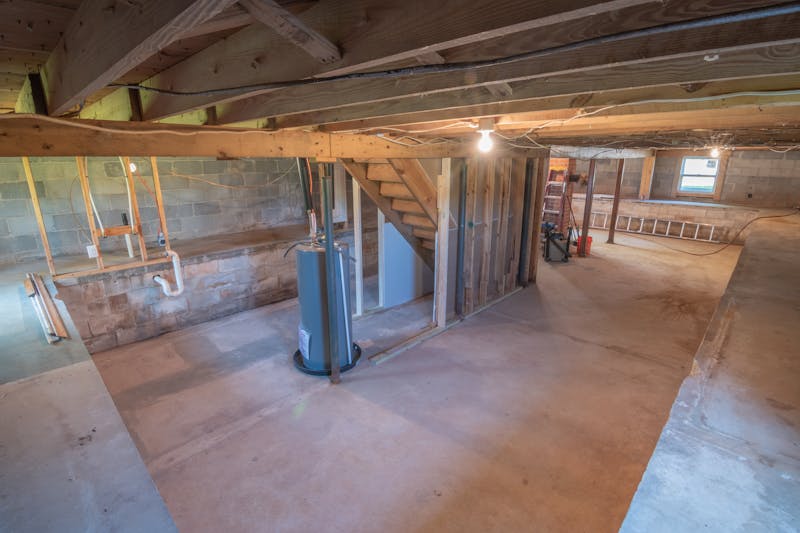
Check pipes along exterior walls, in unheated basements, crawl spaces and garages. Frost on the pipe or a section that feels much colder than the rest is a good clue.
Step 2: Open the Faucet
Open the faucet the pipe feeds. As the ice melts, flowing water helps thaw the rest of the blockage and relieves pressure in the line.
Step 3: Apply Gentle Heat
- Use a hair dryer, starting near the faucet and working back toward the frozen area
- Wrap the pipe with towels soaked in warm water
- Use a space heater nearby, kept at a safe distance from anything flammable
Never Do This
- Never use an open flame, propane torch or charcoal stove
- Never leave a space heater running unattended
Know Where Your Main Shutoff Is
If a pipe has already cracked, shut off the main water valve right away to limit water damage, then call a licensed plumber.
Prevent It From Happening Again
Insulate exposed pipes, seal drafts near plumbing and keep cabinet doors open on the coldest nights.
Need help with a frozen or damaged pipe? Call Bruce Nelson Plumbing & Heating at 651-738-9354.


